Song of the ghosts
Herz-Jesu Kirche Karlsruhe
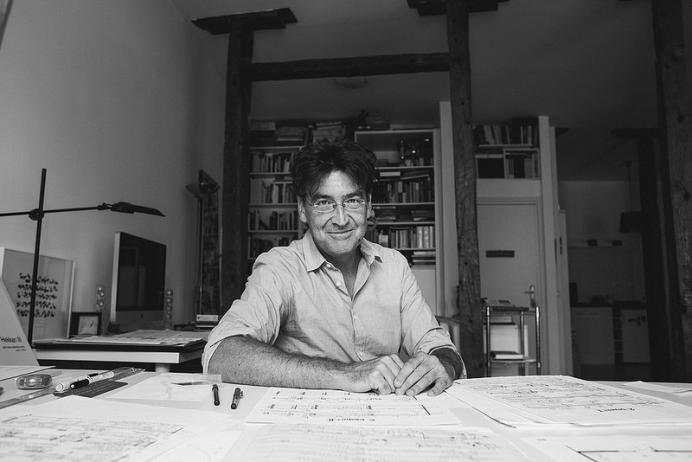
Komposition:
- José María Sánchez Verdú: Commedia, Dreiteiliger Zyklus, 2017-2023
- Marton Illés: E hálk tajt, 2022
- Franz Schubert: Gesang der Geister über den Wassern D. 538, für 4 Männerstimmen, Text von J.W.v.Goethe (1779), 1817
- Franz Schubert: Gesang der Geister über den Wassern D. 714, für 8 Männerstimmen und tiefe Streicher, 1821
- Franz Schubert: Flucht D. 825 B, für 4 Männerstimmen, 1825
- SCHOLA HEIDELBERG | ensemble aisthesis
Leitung: Walter Nußbaum
Veranstalter: KlangForum Heidelberg e.V.
In the "Song of the ghosts" project, several of KlangForum Heidelberg’s musical initiatives come together this early summer in a variety of ways – spiritual not only in the title.
Two of these initiatives have grown over the past few years—including during the pandemic – and now promise a rich harvest, both in the form of two concert performances and a subsequent CD production.
Both Franz Schubert’s setting of Goethe’s pantheistic "Gesang der Geister über den Wassern" ("Song of the Spirits over the Waters"), the great meditative poem from 1779, and "Commedia" by José María Sánchez-Verdú, based on Dante’s Divine Comedy (c. 1321), translate spiritual experience not only into musical sound but also musically bring to life the imagery of their language. Sánchez-Verdú’s music often features a distinctive approach to the performance space; in shaping the sonic spaces of Dante’s Inferno, Purgatory, and Paradise, he employs particularly subtle gradations and positioning in the interplay between the vocal and instrumental ensembles.
The world premiere (and subsequent first recording) of the three-part "Commedia" crowns a long-standing collaboration between the Spanish composer José María Sánchez-Verdú (born 1968) and SCHOLA HEIDELBERG and Walter Nußbaum, which began in 2018 with the world premiere of "Inferno"; at the end of the score, completed in May 2023, is the notation "fine del Paradiso / fine di Commedia."
Schubert’s "Gesang der Geister" also has a long and particularly difficult history of creation, and the concert will place the final version – now the best known – in the context of earlier versions of the setting, such as the version for four male voices.
The third work on the program, "E halk tajt" for 3 voices and 3 clarinets to a text by Árpad Tóth by Marton Illés (*1975), was a commission by the KlangForum Heidelberg and premiered at our anniversary festival “Die Würde – wessen?” in the fall of 2022. Here, too, poetically imagined spaces are brought to life musically, and the choice of Árpad Tóth’s poem from the time of World War I can be understood as a resonance with the war in Ukraine.